Built for · First Responders
Electrolytes for
first responders.
Long calls, heavy gear, and adrenaline that burns you out fast. Redi keeps you sharp and steady when fading isn’t an option.
Turnout gear and long calls drive sweat loss you don’t notice until you’re depleted. Redi replaces all five electrolytes in absorbable forms — Amplify for focus before a shift, Replenish for caffeine-free rehydration after — in packs that stow anywhere.
Gear, heat, and hours you can’t predict
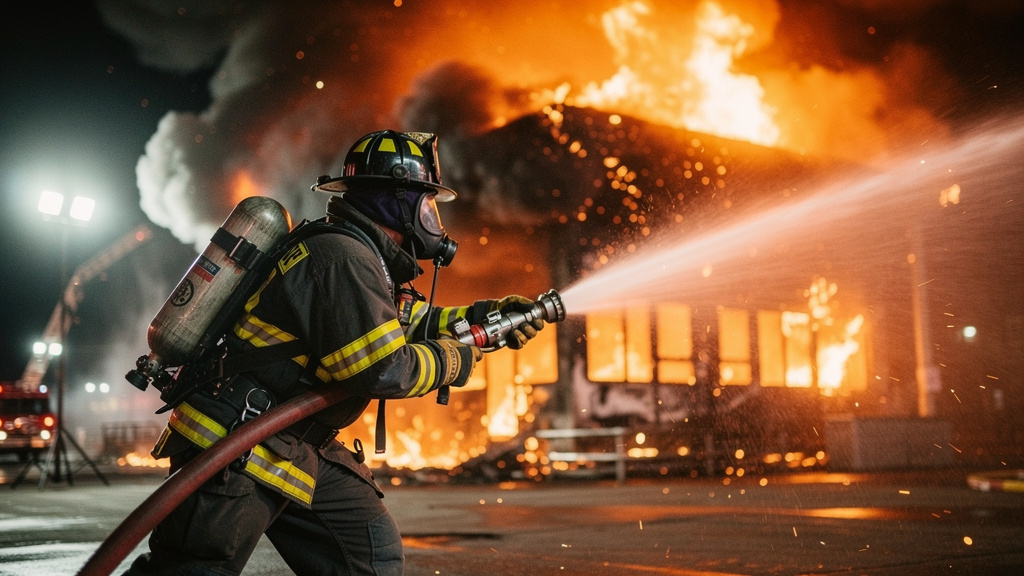
Turnout gear and body armor trap heat and drive sweat loss you don’t even notice until you’re already depleted. On a long call there’s no scheduled water break and no way to know when the next one comes — so when you do drink, it has to count. Replacing fluid alone leaves you short on the sodium, potassium, magnesium, and calcium that keep your focus and muscle control intact when the call runs long. Redi replaces all five, so you don’t fade at the worst possible moment.
Adrenaline hides the deficit
One of the traps of emergency work is that adrenaline masks how depleted you are. You feel fine right up until you don’t — and by then your reaction time and judgment may already be slipping. Staying hydrated with electrolytes on a schedule, rather than waiting until you feel thirsty, keeps you ahead of that hidden deficit through a long shift and into the paperwork after.
Focus when it matters most
- Before a shift: Amplify — caffeine, Alpha-GPC, and NMN support reaction time and mental focus on the same electrolyte base, so you start your tour sharp.
- During and after: Replenish — caffeine-free rehydration you can use late without wrecking the recovery sleep you’ll need before the next tour.
Built to be dependable
When conditions are unpredictable, your hydration shouldn’t be. Redi uses absorbable, stomach-gentle mineral forms — pink Himalayan sea salt, dimagnesium malate, calcium citrate — and every batch is third-party tested for purity and label accuracy. Naturally sweetened, gluten-free, made in the USA. Consistent, every pack, every time.
Ready in seconds
Stick packs stow in a turnout pocket, a rig, or a locker and mix in one pour — no shaker, no mess. Keep a few on you and a box at the station so the whole company stays ahead of the heat on a long incident.
Common questions
Is Replenish safe to use late on a shift? Yes — it’s caffeine-free, so it won’t interfere with the sleep you need between tours. Reserve caffeinated Amplify for the start of a shift.
How much should I use on a long incident? Stay ahead of thirst. Many responders use two or more packs across a long, hot call, adjusting for gear and exertion.
For employers
Outfitting a whole crew?
OSHA’s heat guidance recommends electrolytes for jobs over two hours in the heat, and ANSI/ASSP A10.50-2024 requires them at 80°F and up. See how Redi helps your team meet heat-safety standards — and request crew pricing.
Stay Redi
No room to fade.
Subscribe & Save 15% and stay stocked at the station. Cancel anytime.
Recovery between tours matters as much as the call
The job doesn’t end when the call does — your body has to reset before the next tour, and hydration is a quiet but real part of that recovery. Rehydrating properly after a hot, heavy incident helps your muscles recover and your sleep hold, which is exactly why the caffeine-free option matters. Reaching for Replenish after a shift means you can rebuild what you lost without the caffeine that would keep you from the rest you need before you do it all again.
Stock the station, not just yourself
Individual habits fade under stress; systems don’t. Keeping a supply at the station — in the rig, the day room, the locker area — turns hydration into something the whole company does automatically rather than something each person has to remember mid-incident. On a long, hot call, that shared habit is what keeps the crew steady from the first minute to the last.
Small habit, real margin
In a job where the margin between fine and dangerous can be thin, small advantages add up. Staying properly hydrated won’t make headlines, but it keeps your reaction time, your grip strength, and your judgment closer to their best for longer — which is exactly what a long, hot, unpredictable shift tends to erode. Think of it the way you think of checking your gear: an unglamorous habit that quietly keeps you and your crew operating at the level the work demands. A stick pack and a full water bottle at the start of a tour is about the cheapest performance insurance there is.